William Paterson University Gallery
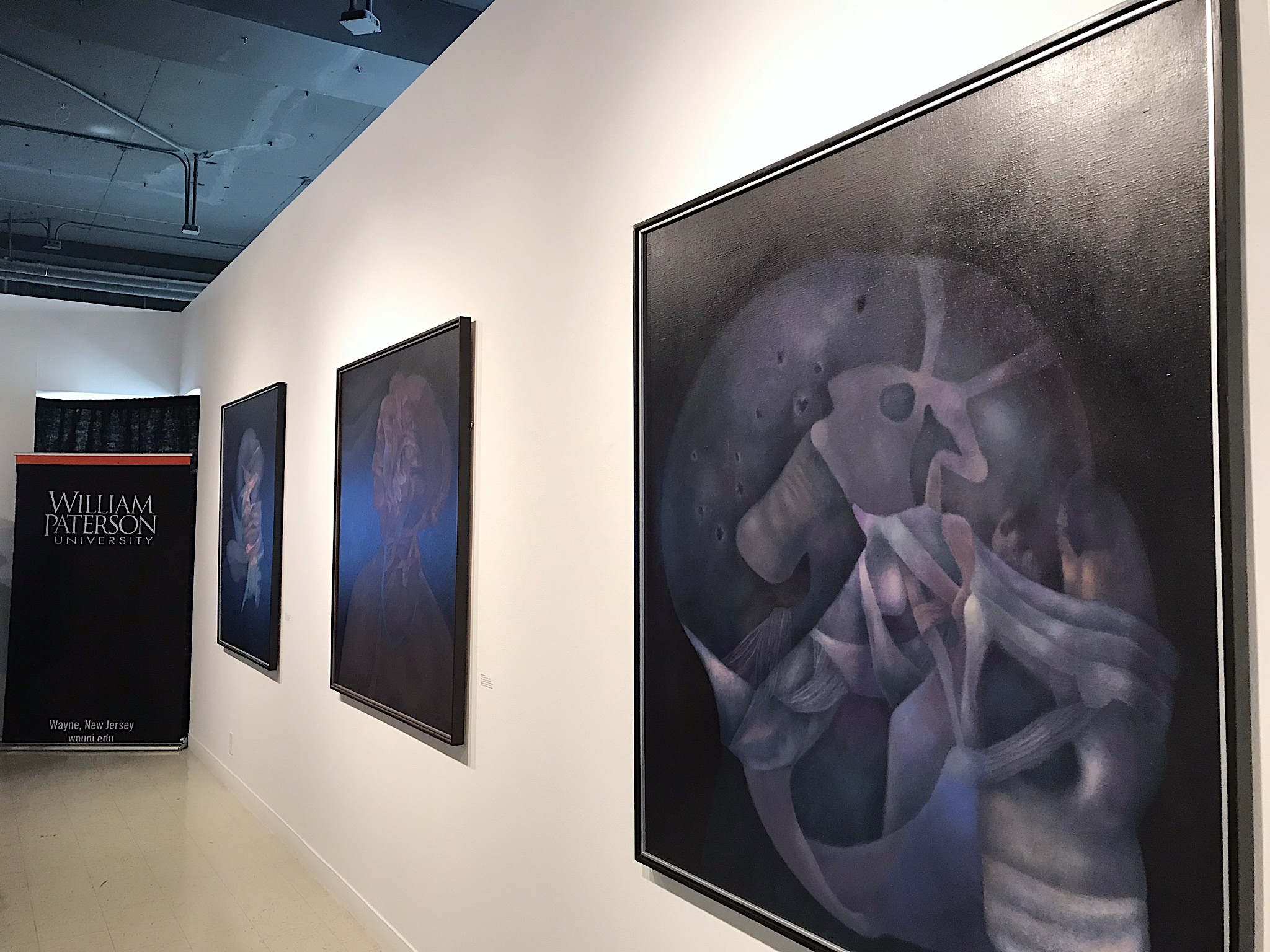
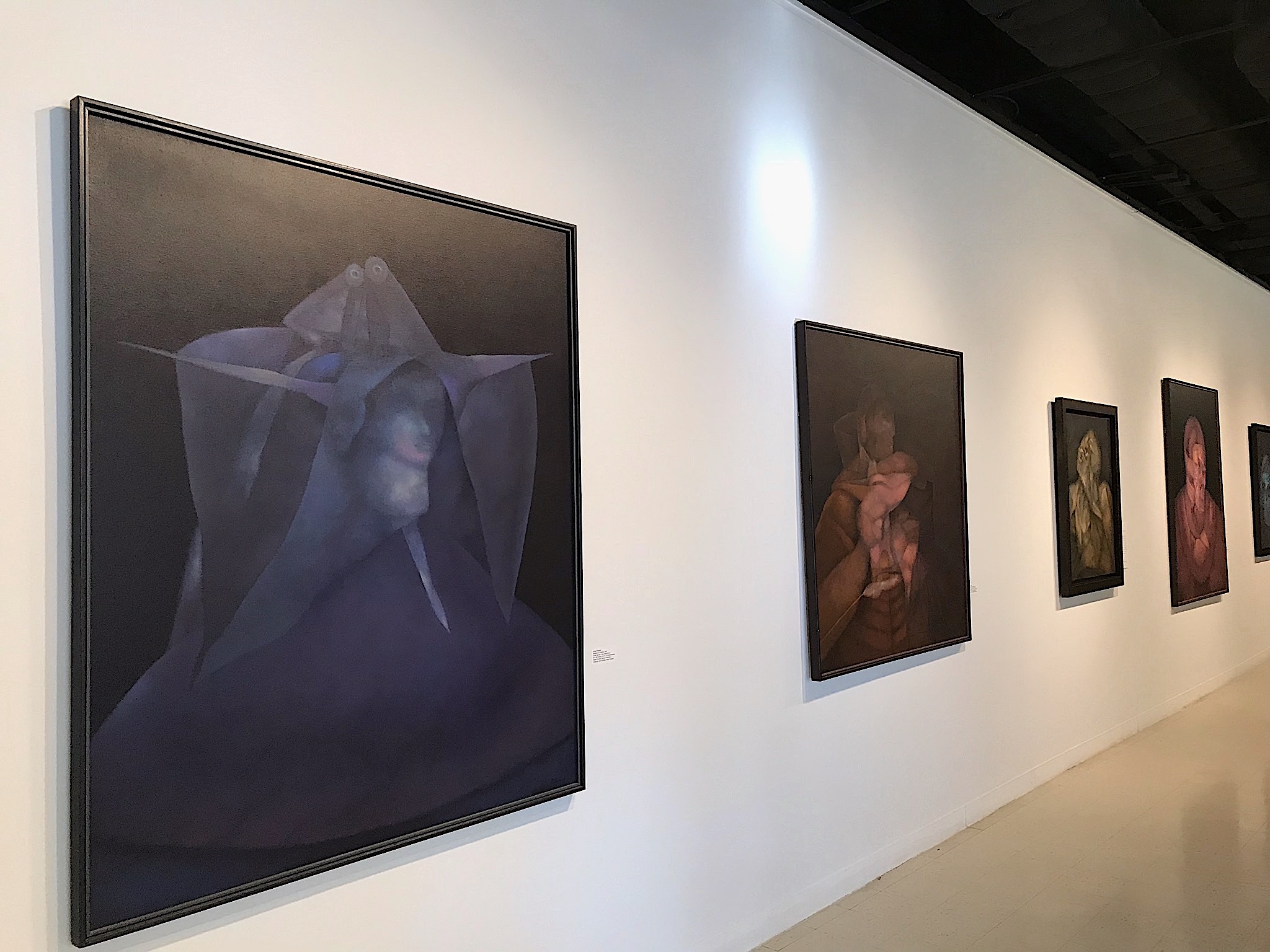
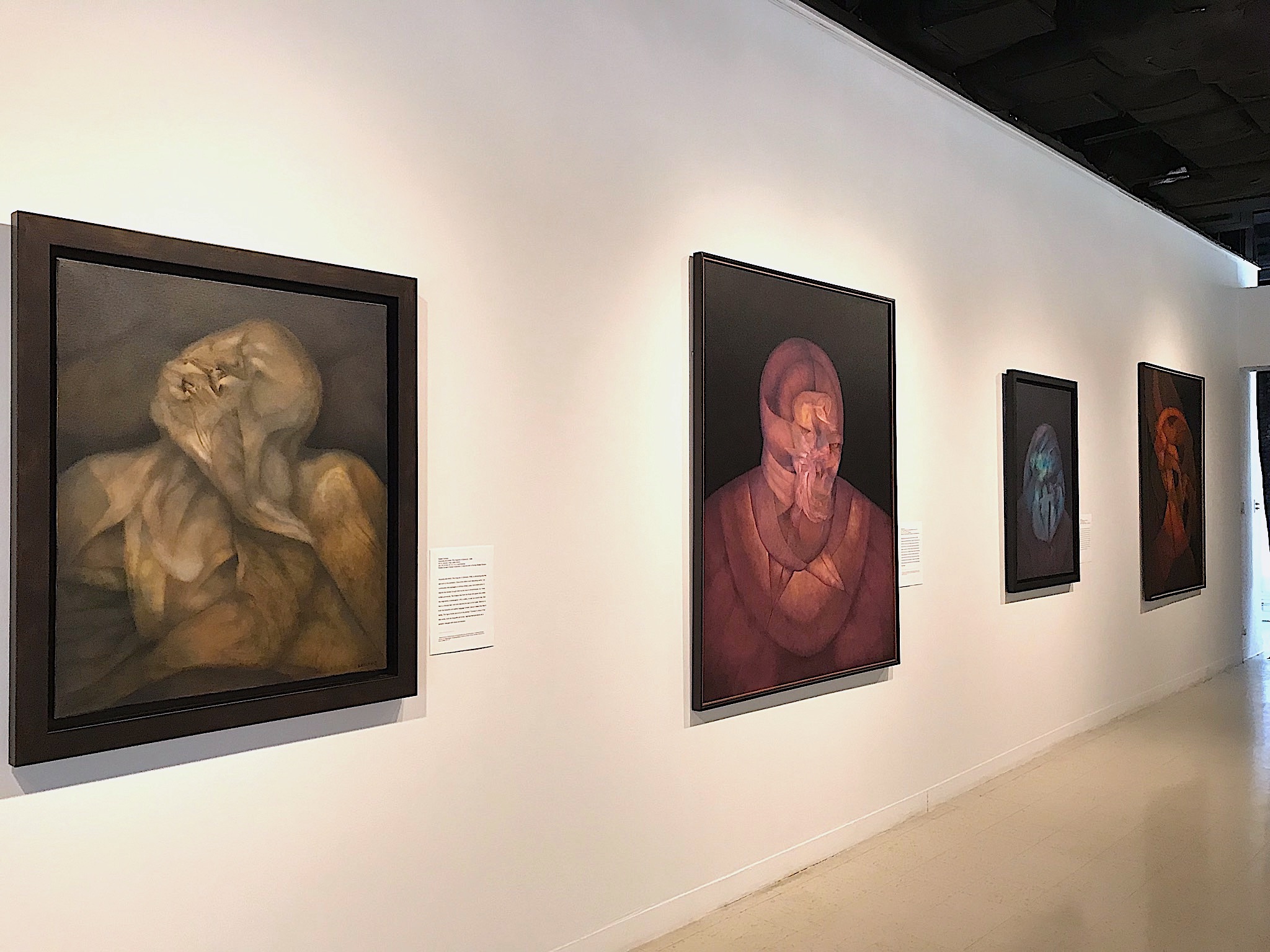
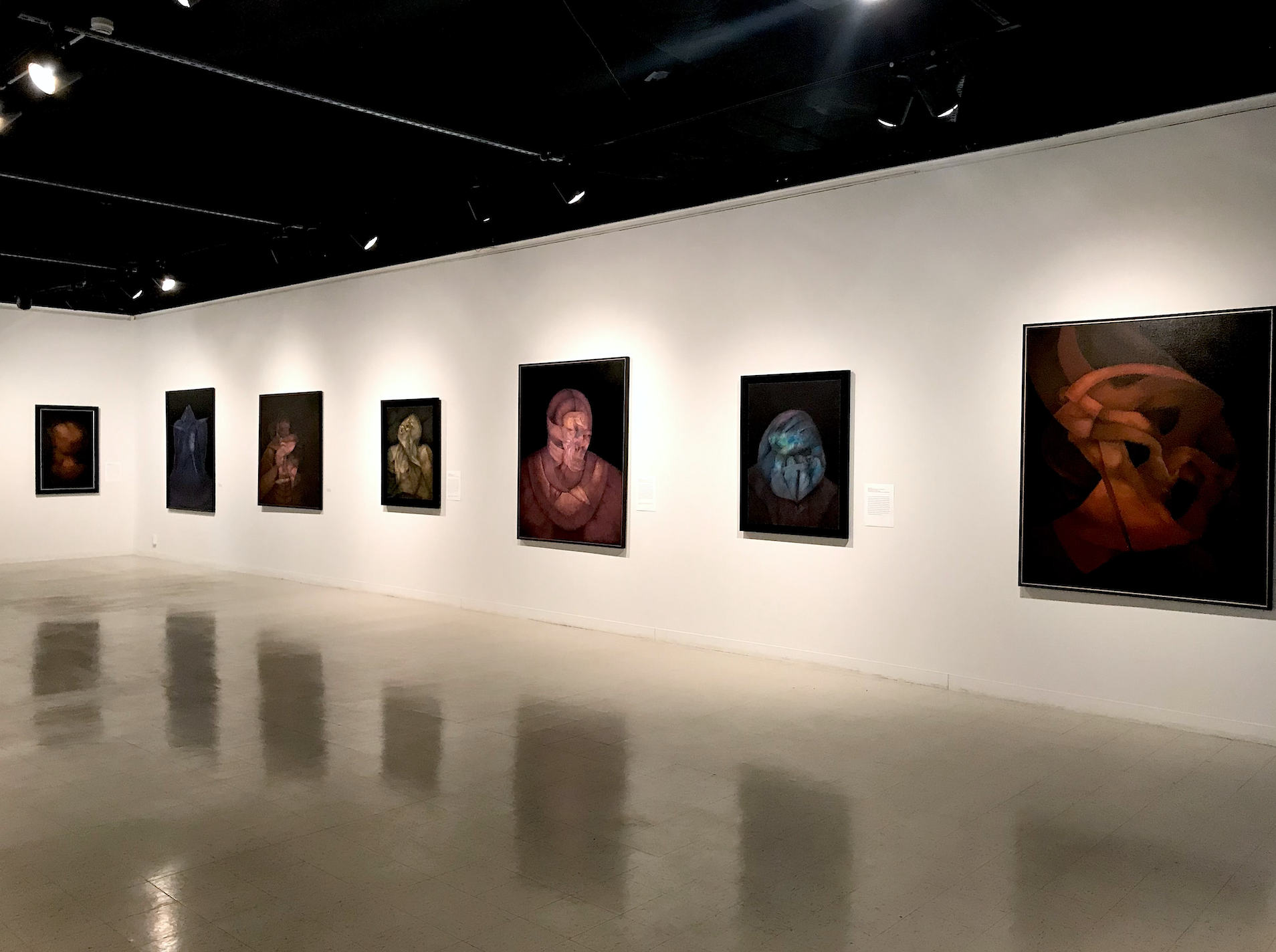
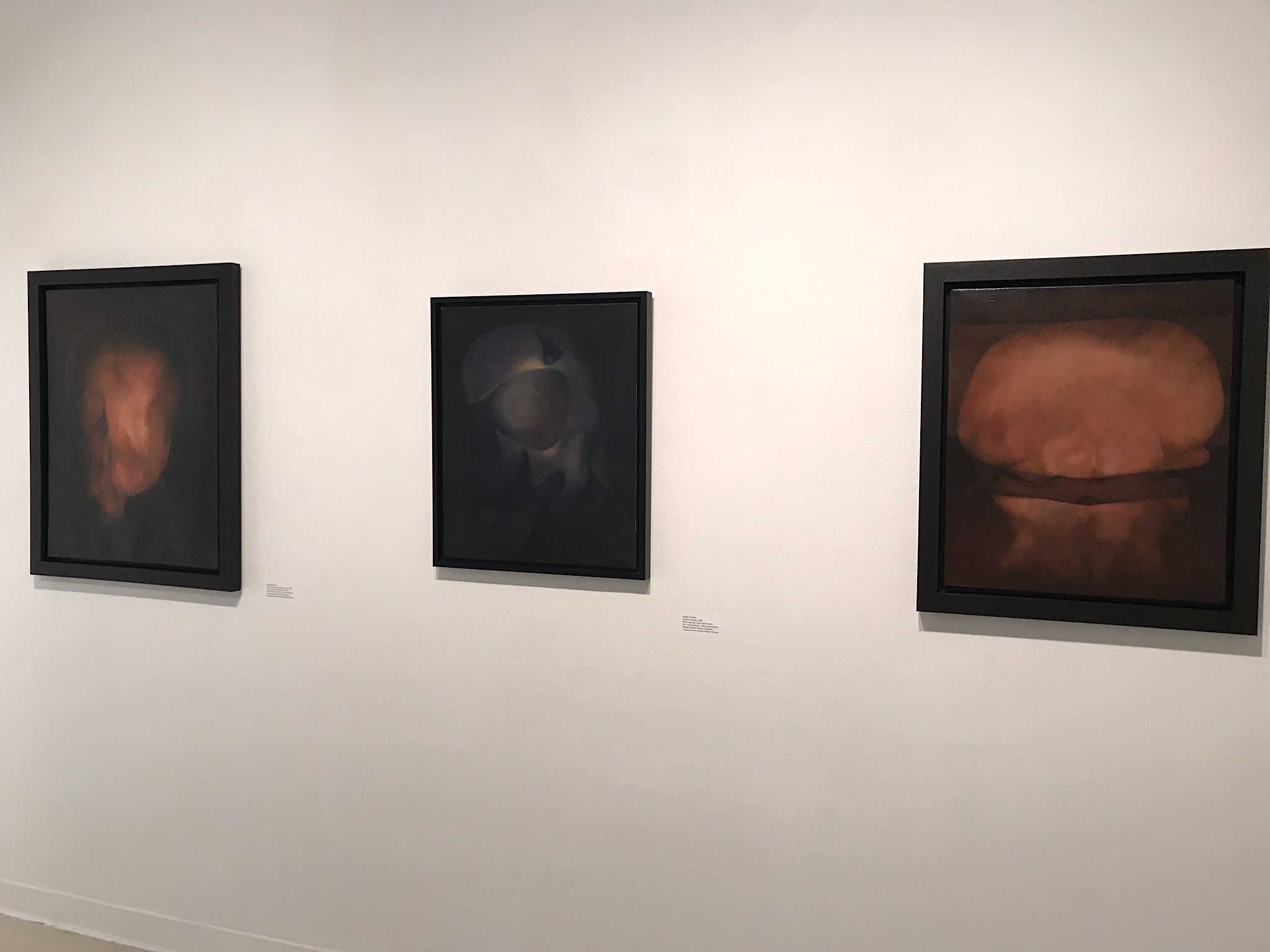
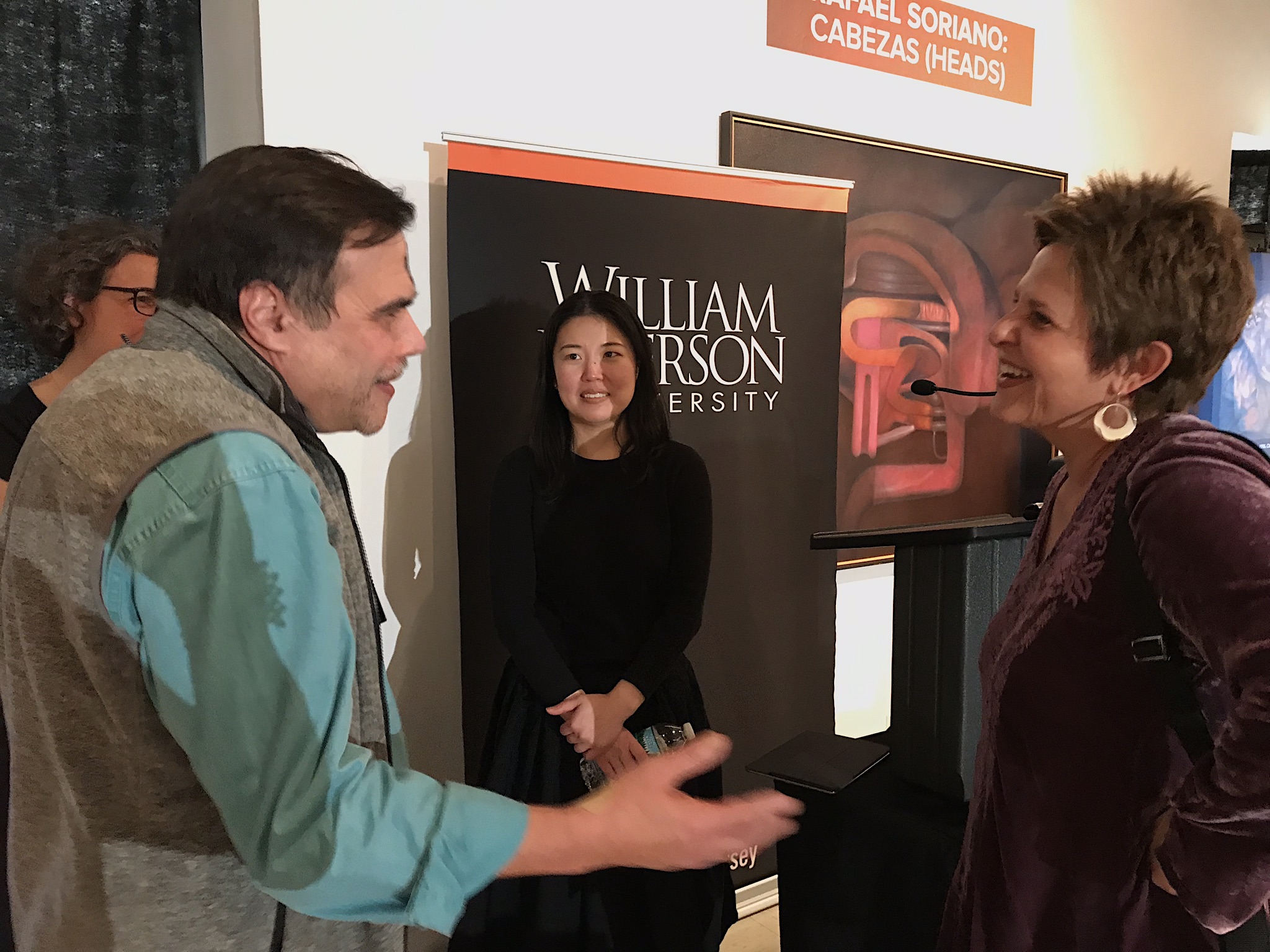
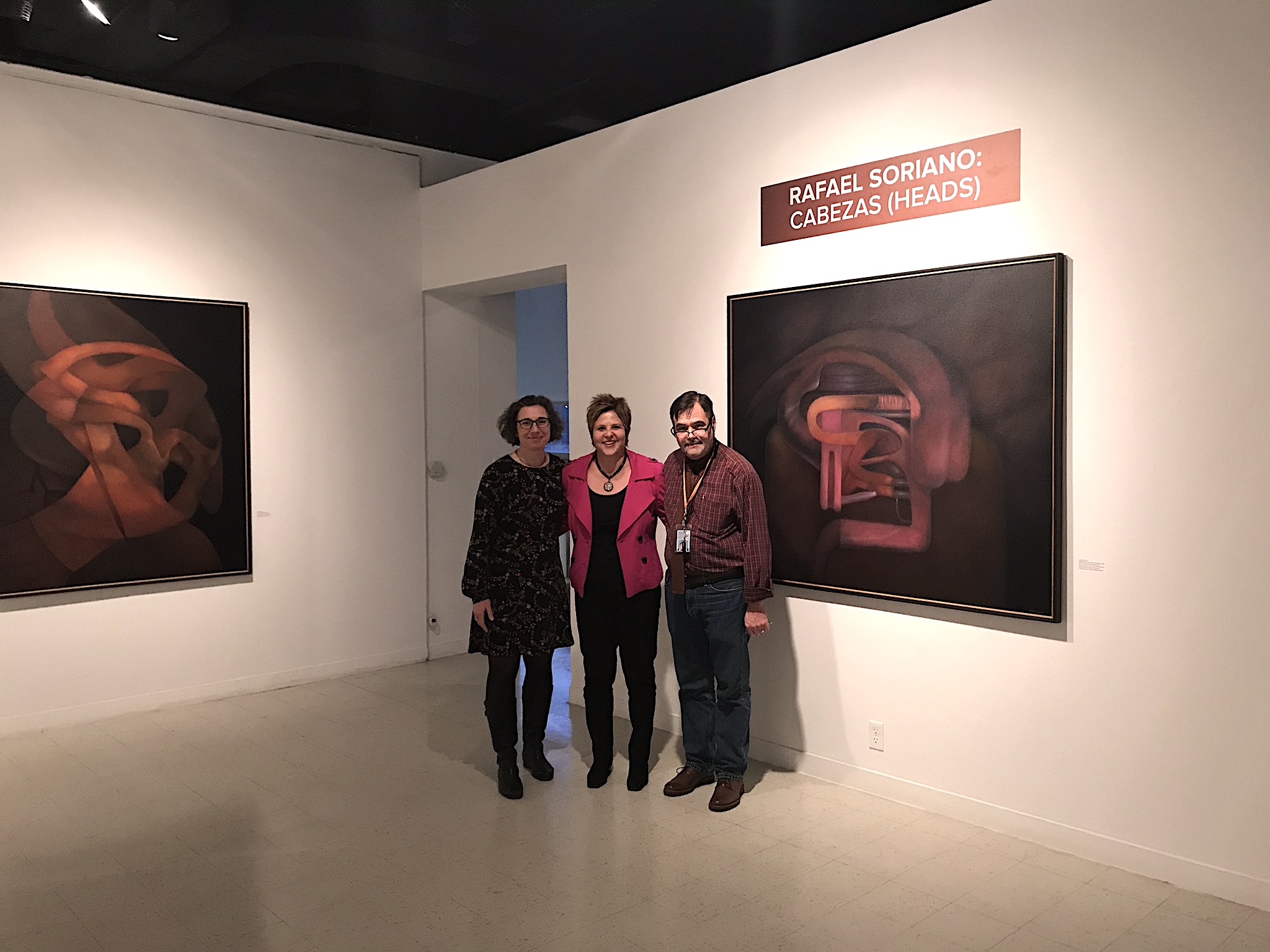
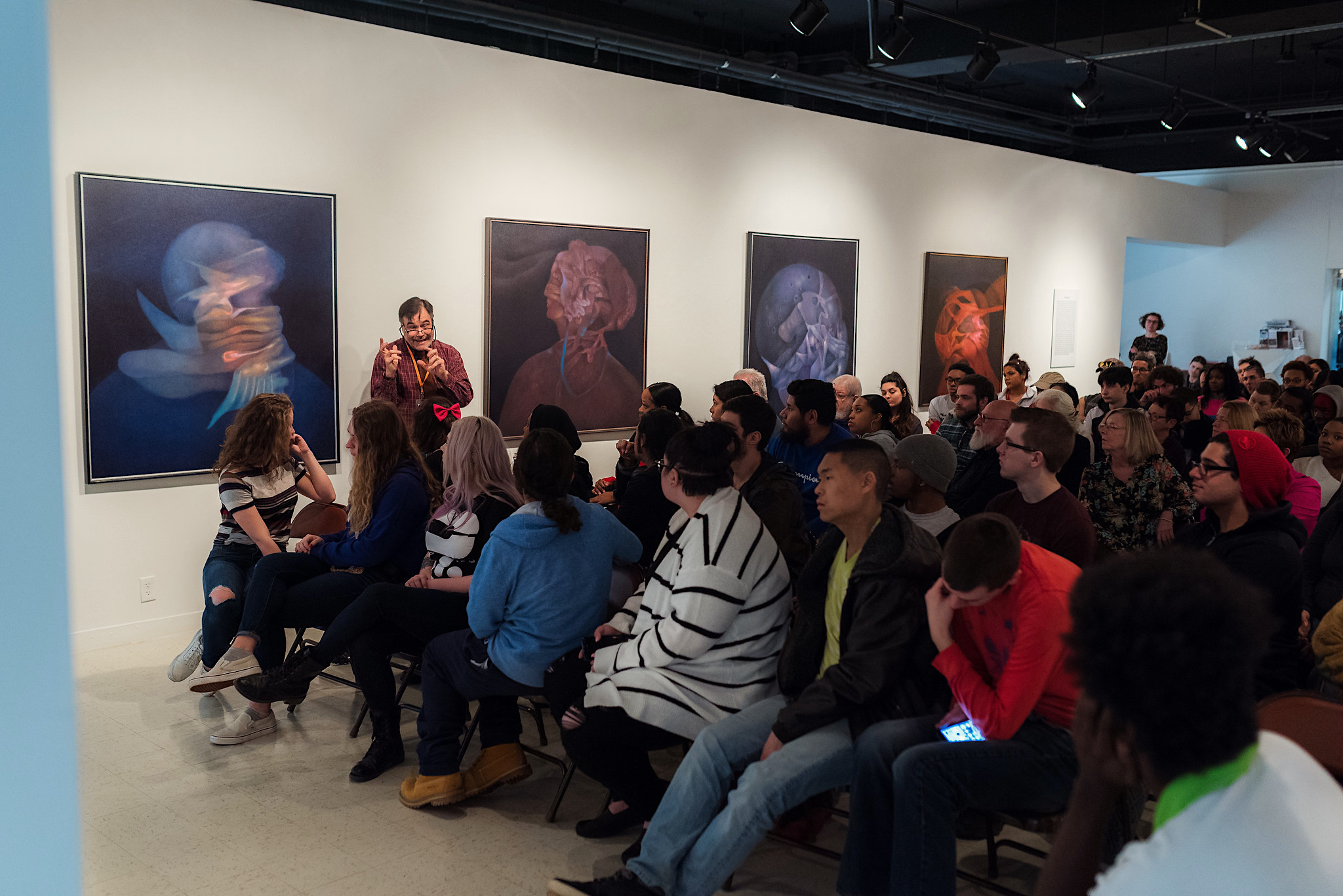
Rafael Soriano | Cabezas (Heads)
Born in Cidra, Matanzas in 1920, Rafael Soriano is considered a member of the third Cuban avant-garde; that is, the modern artists that came of age in the 1950s prior to the triumph of the 1959 revolution. Soriano is among a handful of artists from his generation that received a thorough and profound education at the San Alejandro Academy of Fine Arts, where he graduated from with degrees in both painting and sculpture. In spite of this academic background, his earliest mentors where independent and iconoclastic modernists like the painter Fidelio Ponce (1892-1949), whose hallucinating expressionism revealed spriritual and metaphysical concerns.
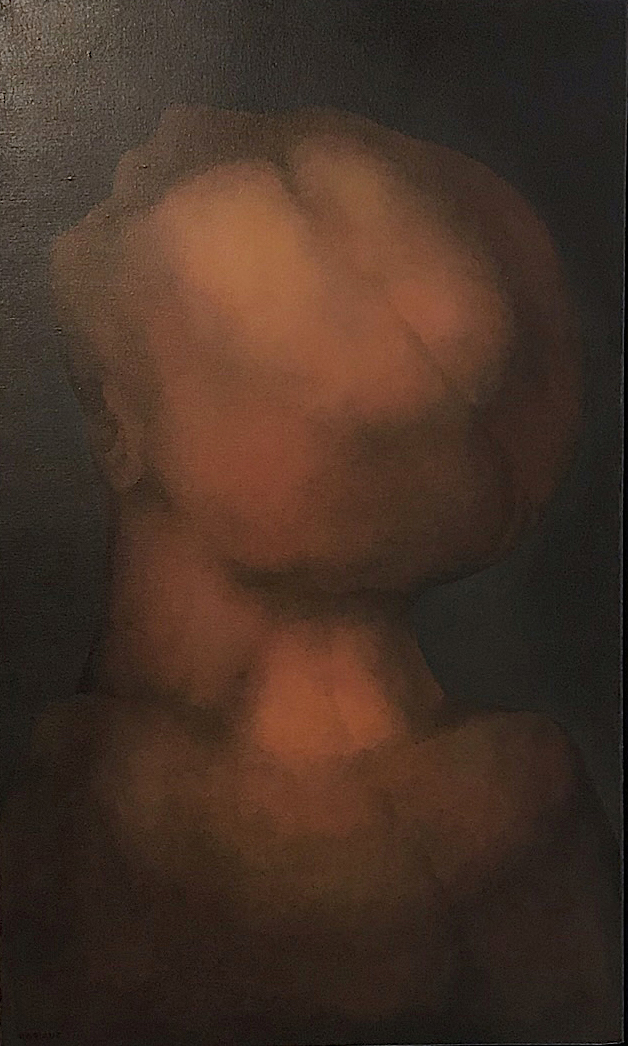
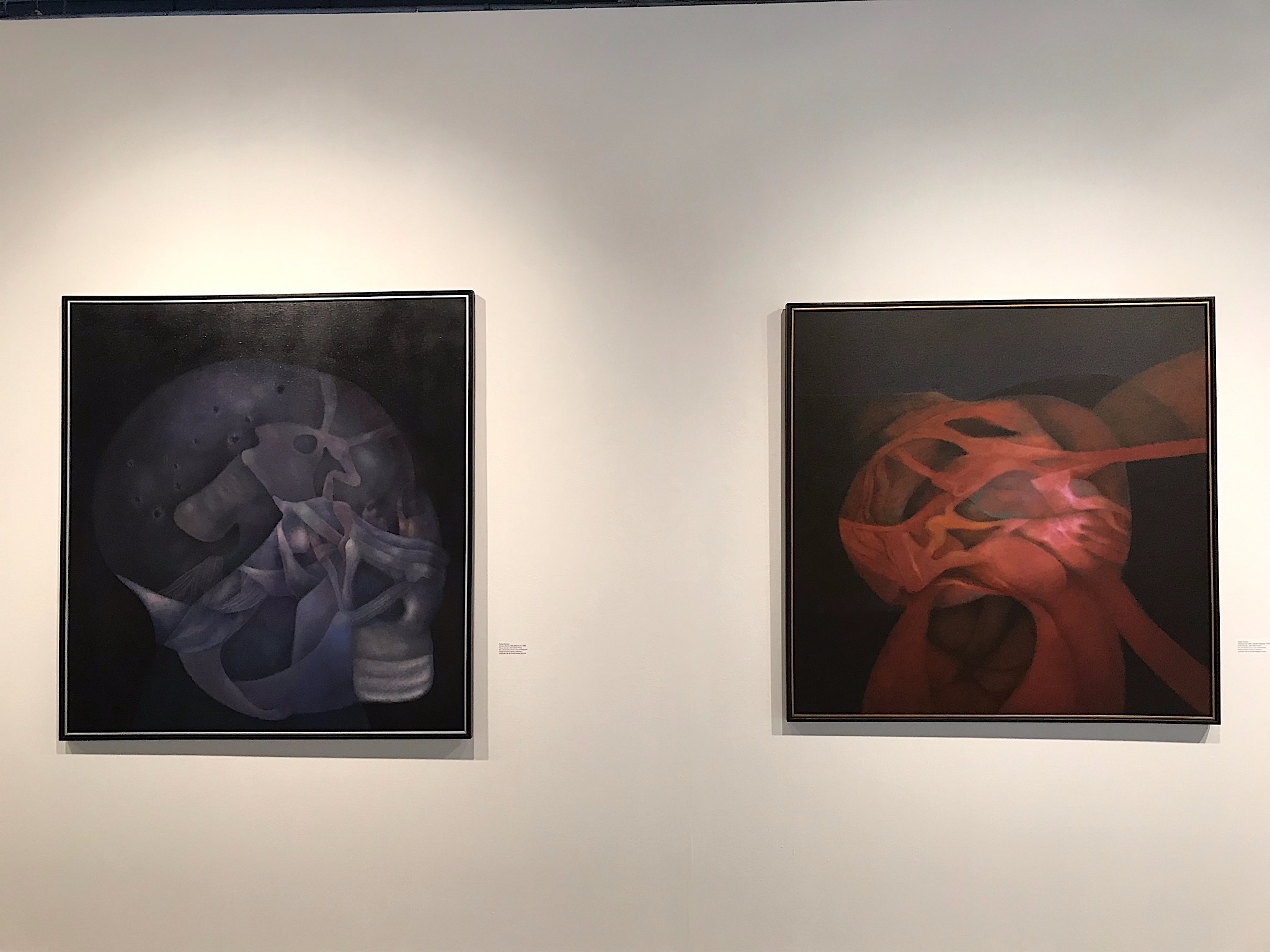
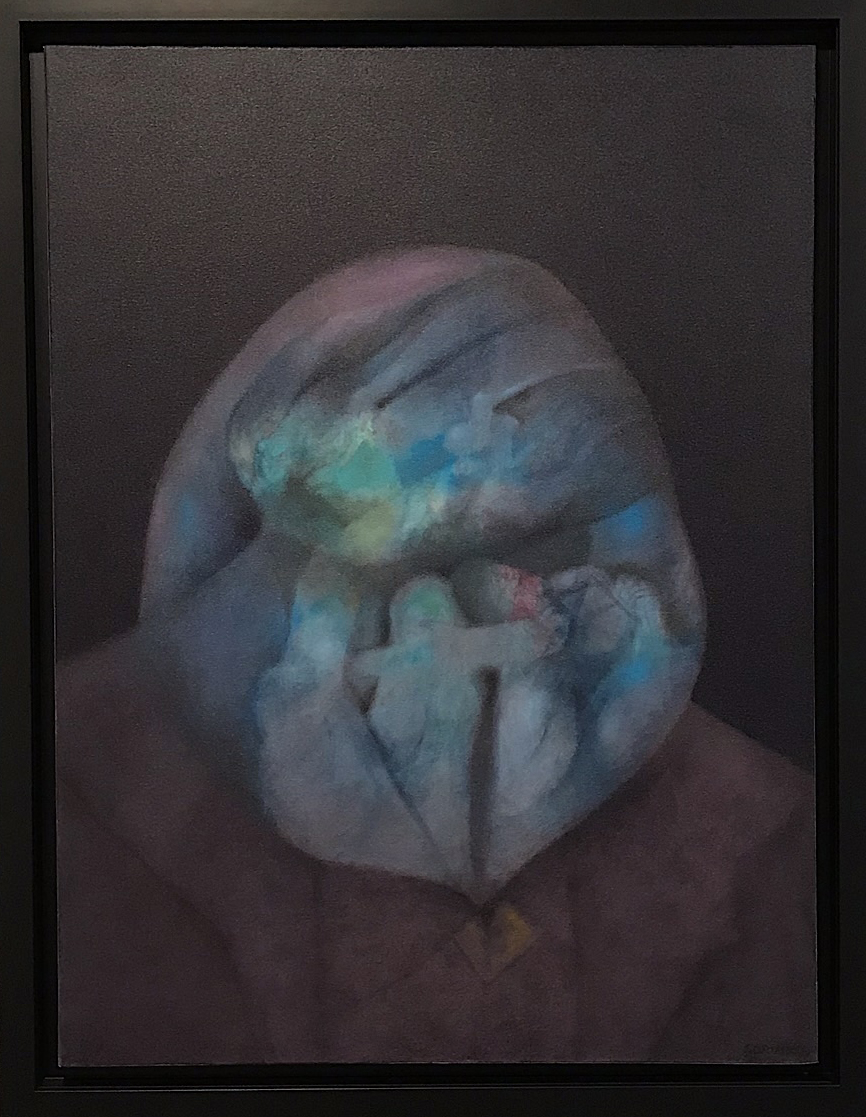
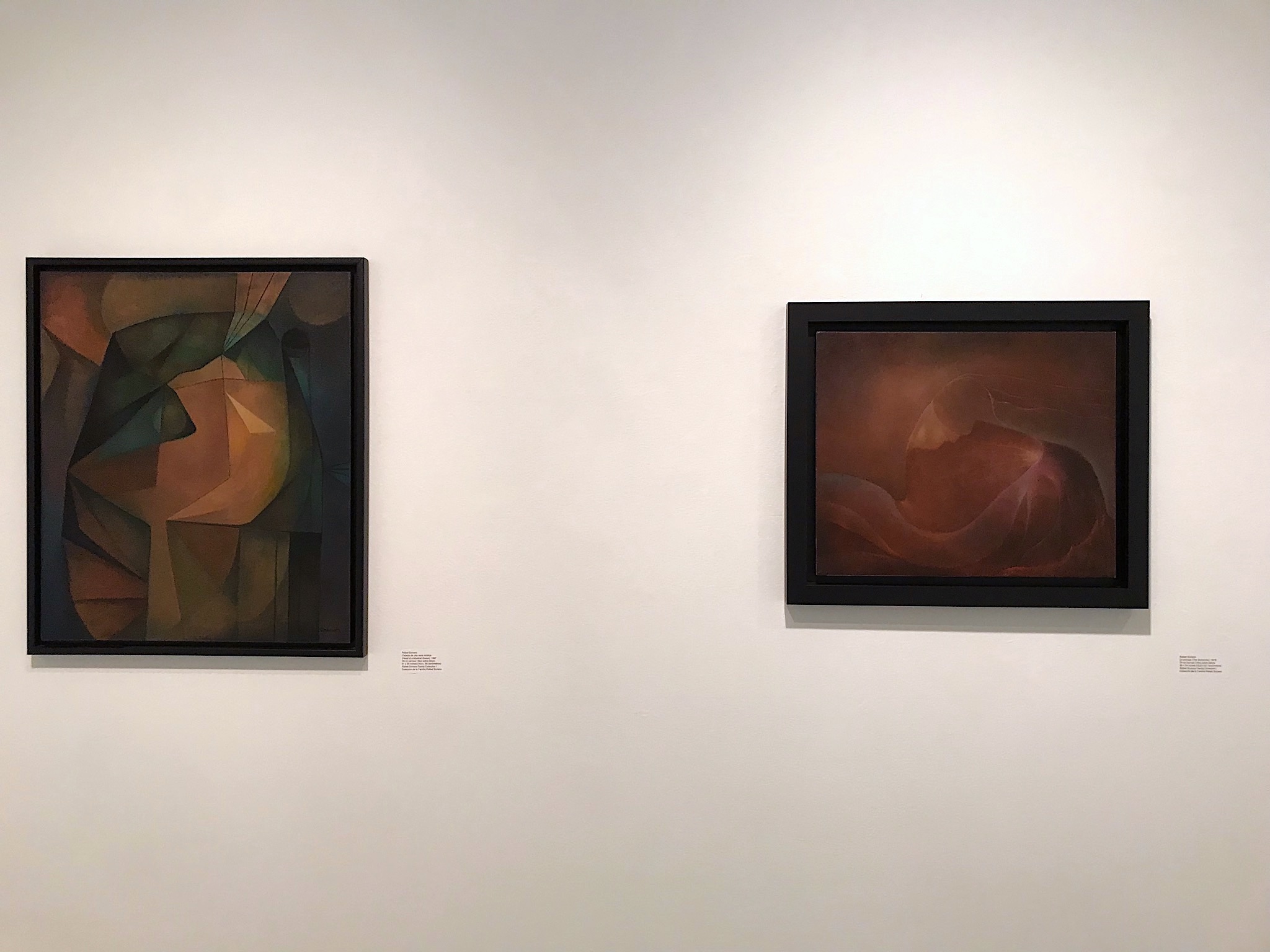
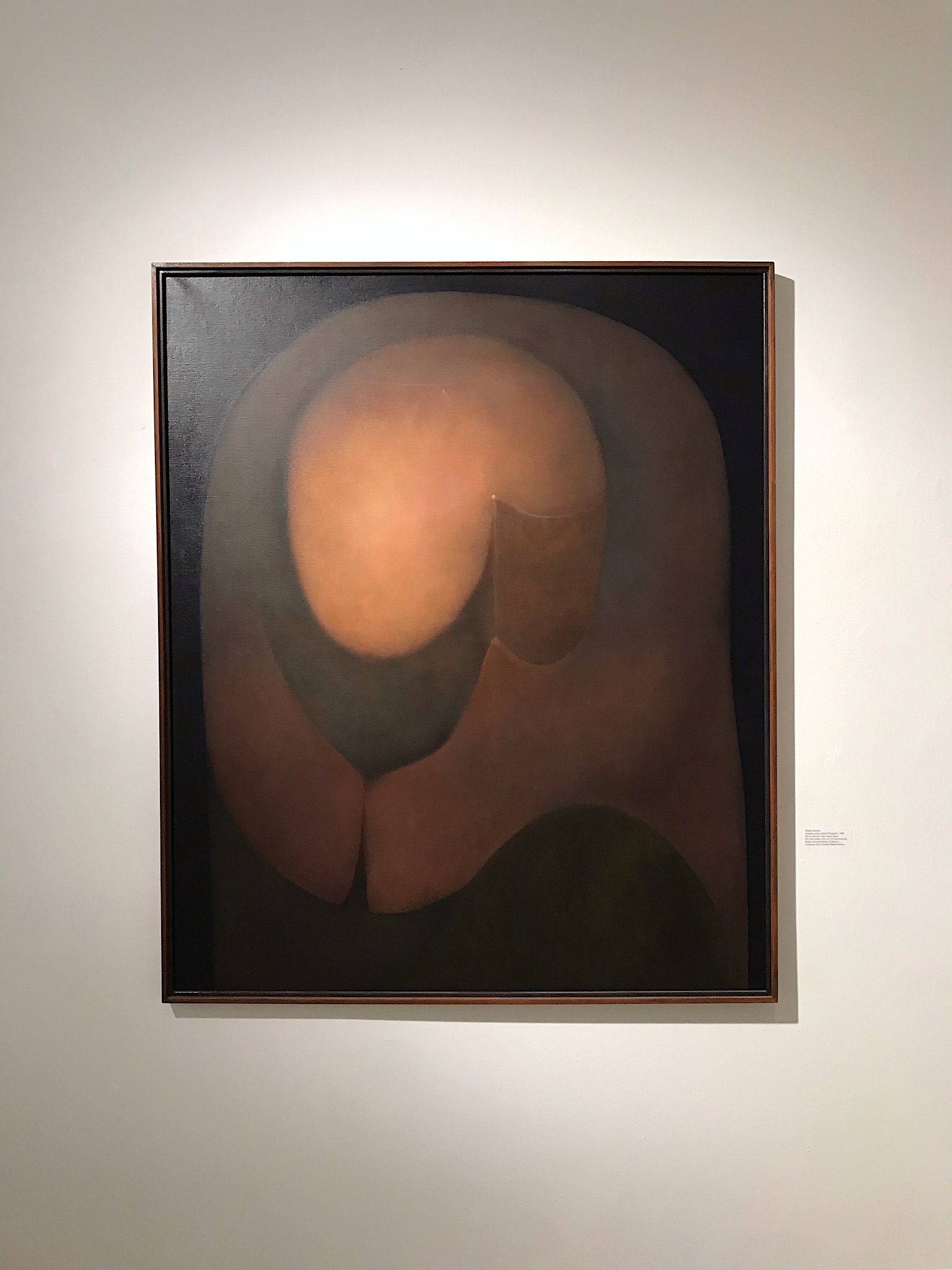
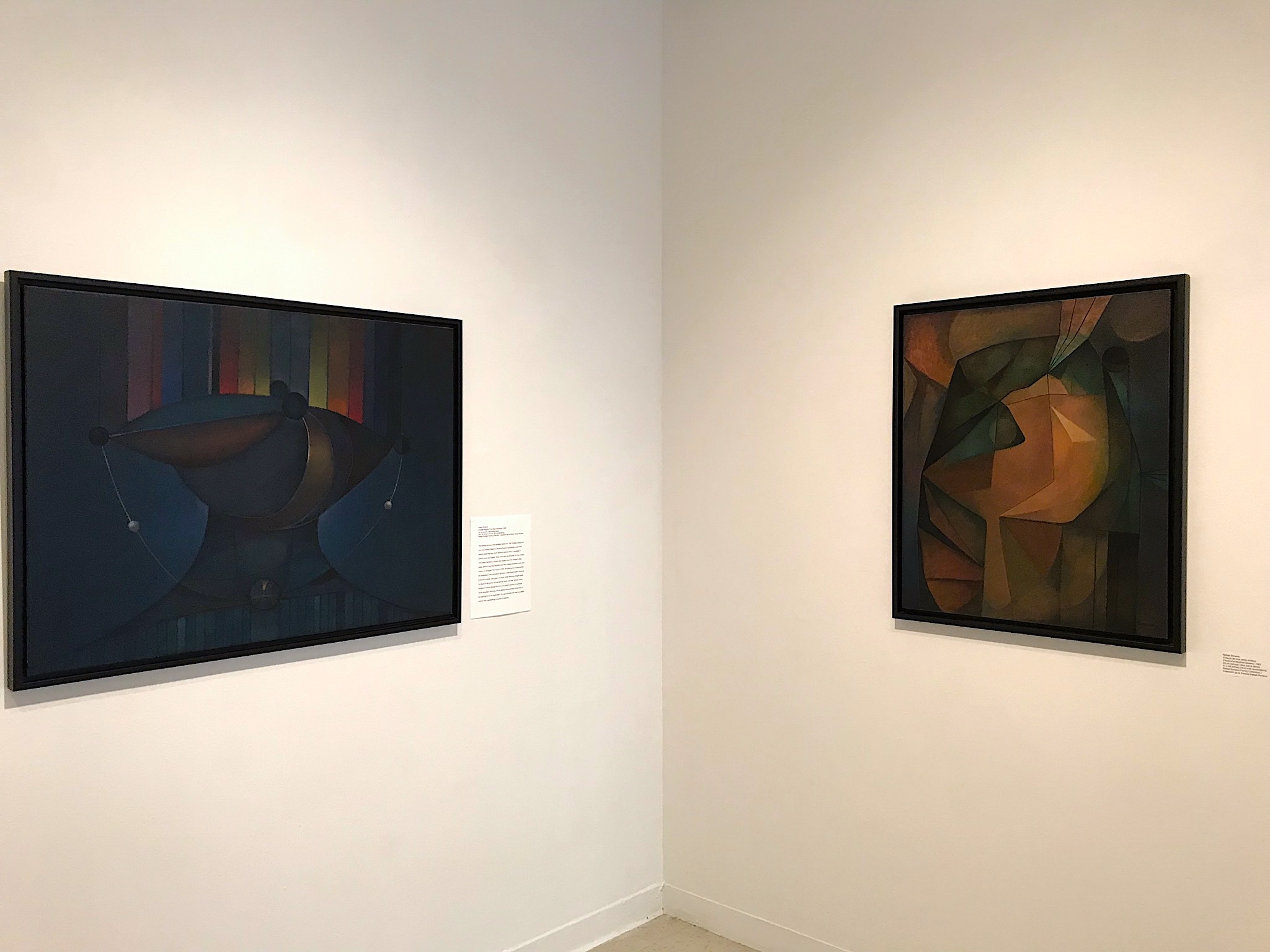
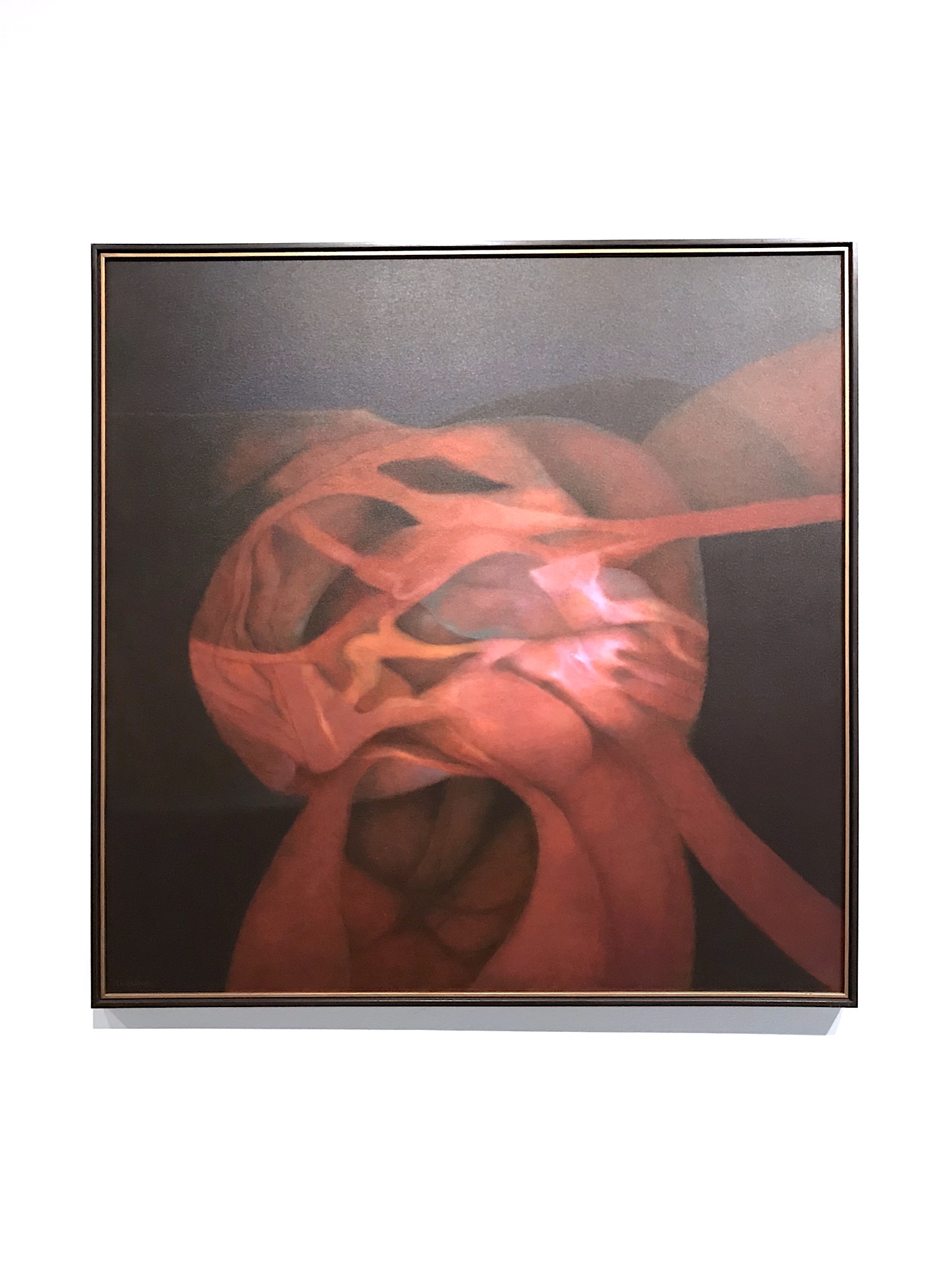
In the 1950s Soriano was active among the geometric painters in the island, and yet even among these concretos, he stood out by his extraordinary craftsmanship and his pursuit in two- dimensions of the fourth-dimension. This was also a period when he explored mystical trends such as the Rosacrucians. The Cuban revolution and its totalitarian turn, quickly became a profoundly disillusioning experience for Soriano, and he went into exile in 1962, settling in Miami, Florida with his wife and daughter. He was not able to return to painting (due to the emotional trauma of leaving his country) until the mid 1960s, and by then he had left geometry behind and was evolving into his seminal biomorphic style, fully evident by 1973. He has been compared in the originality of his vision – a synthesis of painterlyness and metaphysics – with contemporaries such as Fernando de Szyszlo and Armando Morales. By the late 1980s heads began to appear in Soriano’s canvases, and these express deep existential concerns regarding freedom, identity and the desire to communicate with a sense of reality that is not simply material. These extraordinary canvases – more than twenty of them – form a very specific body of work that requires study through an exhibition project.
Few depictions of the human head in the past thirty years achieve the rich pictorial density of these works, as well as their enigmatic philosophical probity. These pictures remind us that man remains “the measure of all things” even while in a crisis that states with the words of J.L. Borges the “the dark is light enough.”
Alejandro Anreus, Ph.D.




RAFAEL SORIANO
(1920–2015)
Rafael Soriano was born in 1920 in Cidra, in the province of Matanzas, Cuba, and demonstrated an early affinity for painting. After seven years of study at Havana’s prestigious Escuela Nacional de Bellas Artes San Alejandro, he graduated in 1941 as Professor of Painting, Drawing, and Sculpture. He then returned to Matanzas, where he taught visual arts for nearly two decades. Soriano was a founder—and later director—of the Escuela de Bellas Artes de Matanzas, the most important art school in Cuba outside Havana. During this period, he exhibited with Los Diez Pintores Concretos, a group associated with the development of geometric abstraction in Cuba and its dialogue with movements in Europe and the Americas.
In 1962, Soriano went into exile and settled in Miami with his wife, Milagros, and their daughter, Hortensia. He worked as a graphic designer and taught on occasion, first at the Catholic Welfare Bureau and later through the University of Miami’s Cuban Cultural Program. Throughout these years, he continued to paint tirelessly in the evenings.
Soriano distinguished himself from the vernacular themes that had dominated much of Cuban art since the emergence of the first avant-garde in the mid-1920s. During the 1950s, his work followed the path of geometric abstraction. By the late 1960s, however, his painting underwent a radical transformation. Geometric structures gave way to luminous, enigmatic forms shaped by emotion, meditation, and mystical introspection.
Through a singular treatment of light and color—and through the use of transparency, spatial ambiguity, and biomorphic form—Soriano entered a new aesthetic dimension, freeing his work from earlier attachments to specific schools or tendencies. His highly refined technique established him as a master of luminosity, pictorial metaphor, and the metaphysical language of form. In his complex images, light functions as both form and content. This unity of vision and representation constitutes Soriano’s distinctive contribution to contemporary visual discourse and has led scholars to recognize the universal significance of his work.
Since his first solo exhibition in 1947 at Havana’s Lyceum and Lawn Tennis Club, Soriano’s work has been presented in numerous solo exhibitions and more than 200 group exhibitions throughout the United States, Latin America, and Europe. His work is held in many private and public collections, including the Art Museum of the Americas, Organization of American States, Washington, DC; the Blanton Museum of Art, Austin, Texas; Bacardi Imports, Miami, Florida; Banco Bozano-Simonsen, Rio de Janeiro, Brazil; Continental Bank, Miami, Florida; the CIFO Collection, Cisneros Fontanals Art Foundation, Miami, Florida; the Denver Art Museum, Colorado; Galería de Arte Moderno, Santo Domingo, Dominican Republic; Grupo DEARMAS, Caracas, Venezuela; the Jane Voorhees Zimmerli Art Museum at Rutgers University, New Brunswick, New Jersey; the Long Beach Museum of Art, Long Beach, California; the Lowe Art Museum, Coral Gables, Florida; the McMullen Museum of Art at Boston College, Boston, Massachusetts; the Museo de Arte de Matanzas, Cuba; Museo de Arte de Zea, Medellín, Colombia; the Museo Nacional de Bellas Artes, Havana, Cuba; NationsBank Corporation, Charlotte, North Carolina; NSU Art Museum Fort Lauderdale, Florida; the Patricia & Phillip Frost Art Museum, Miami, Florida; the National Gallery of Art, Washington, DC; the Whitney Museum of American Art, New York, New York; Pérez Art Museum Miami, Florida; and the Smithsonian American Art Museum, Washington, DC.