Long Beach Museum of Art
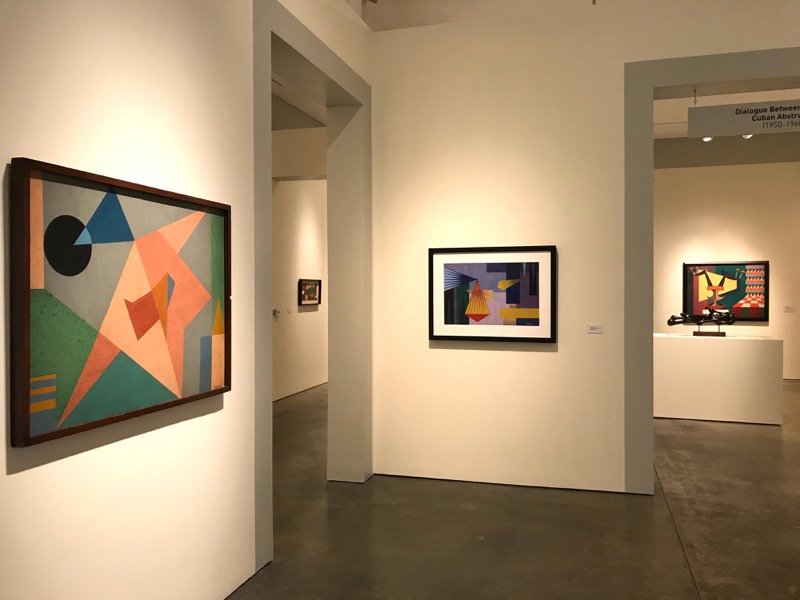
Born in the town of Cidra in Matanzas, a Cuban province on the Bay of Matanzas, Soriano was one of the most acclaimed abstractionists of concrete art in Cuba (introduced in Havana in 1949) and Latin America and was a part of the group Diez Pintores Concretos (Ten Concrete Painters), its members known for painting geometric, hard-edged, abstractions between 1959 and 1961, as well as bringing the geometric abstraction movement of Europe and the Americas to Cuba. However, during the Cuban Revolution led by Fidel Castro, many abstract artists left the country, as non-representational, non-ideological art became suspect.
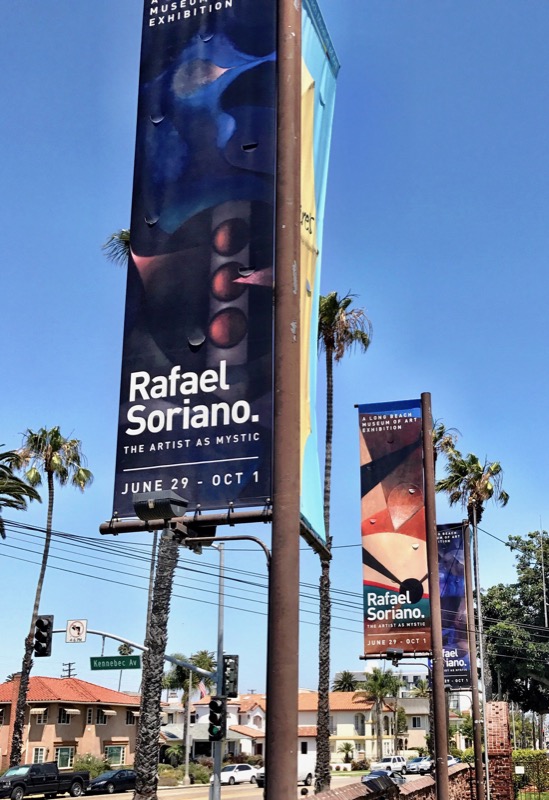
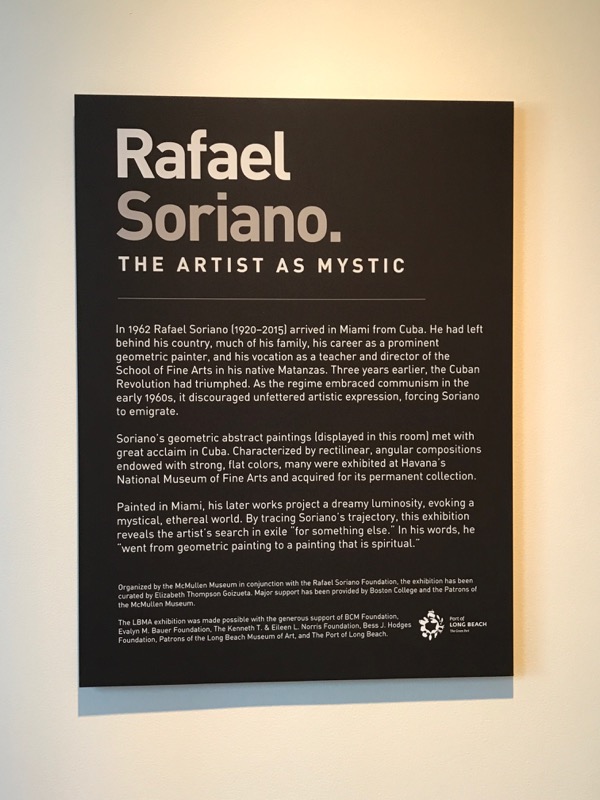
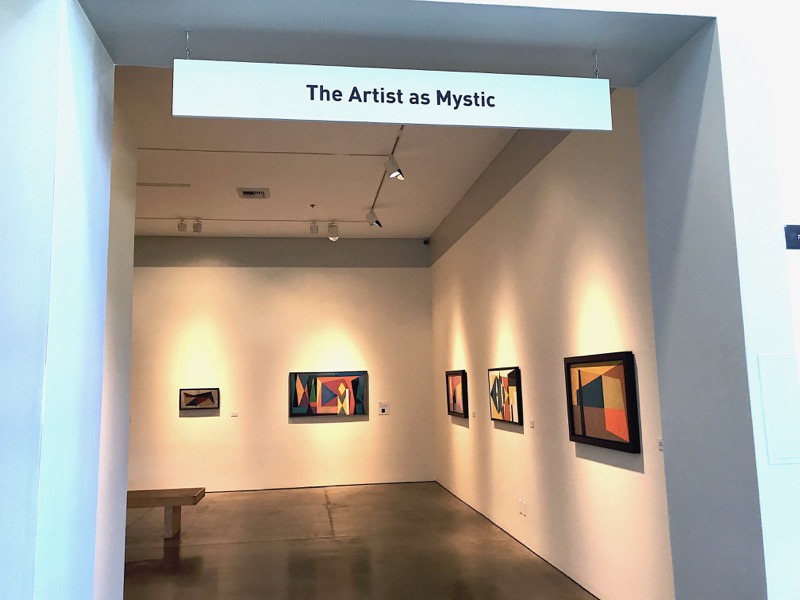
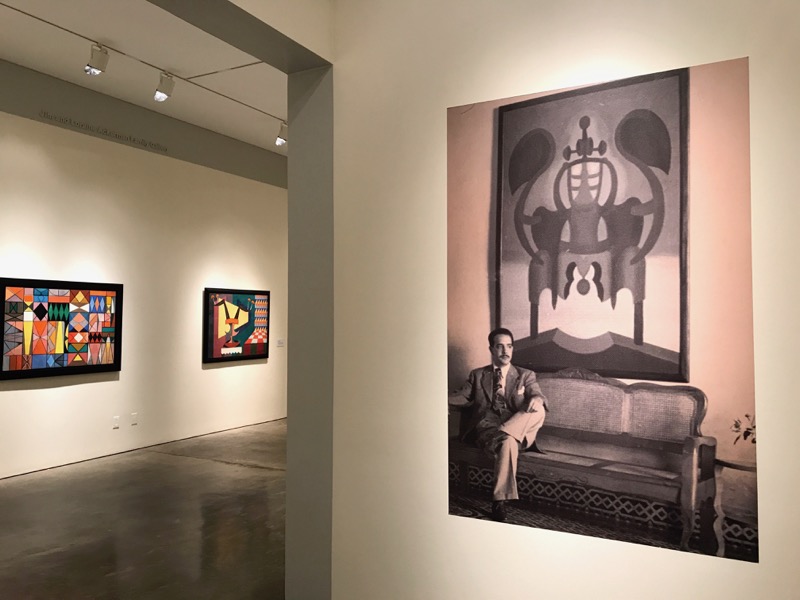
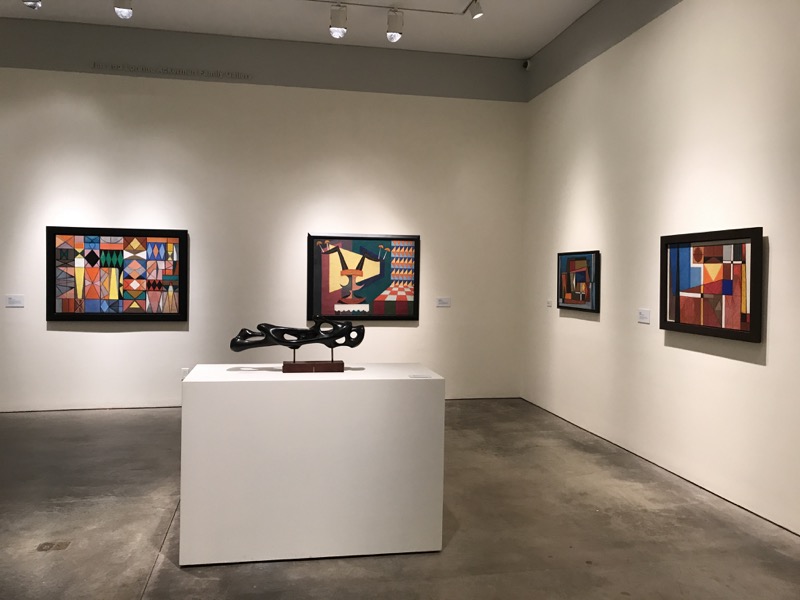
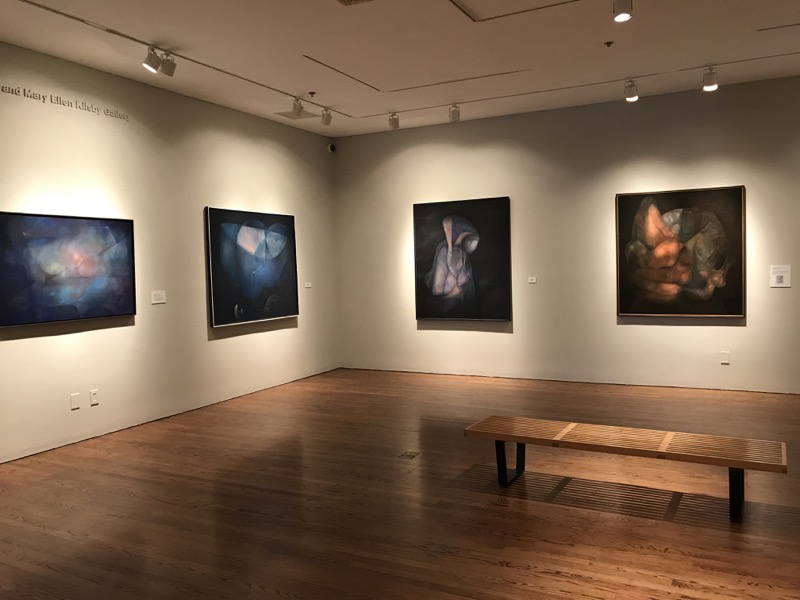
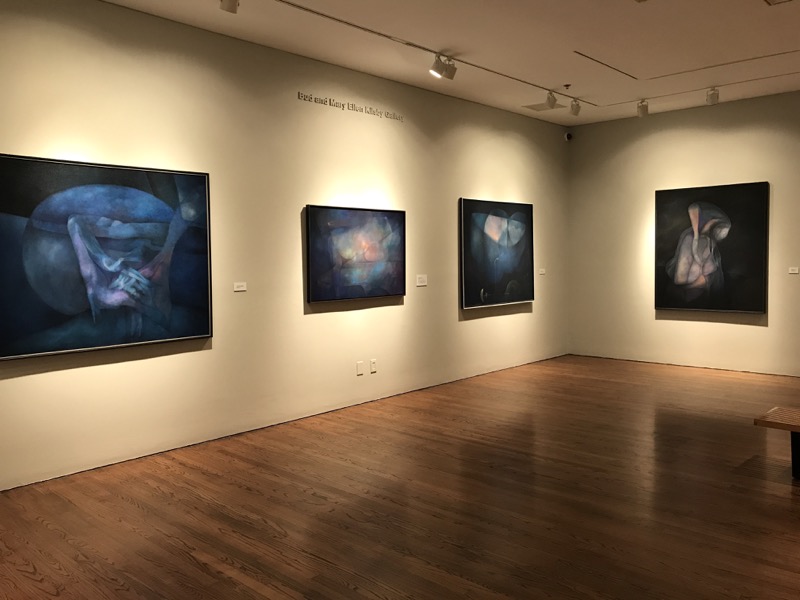
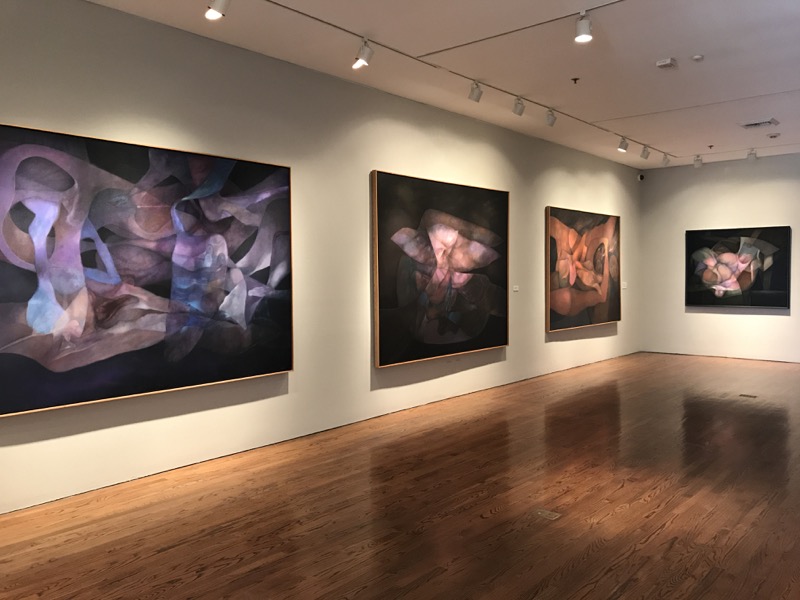
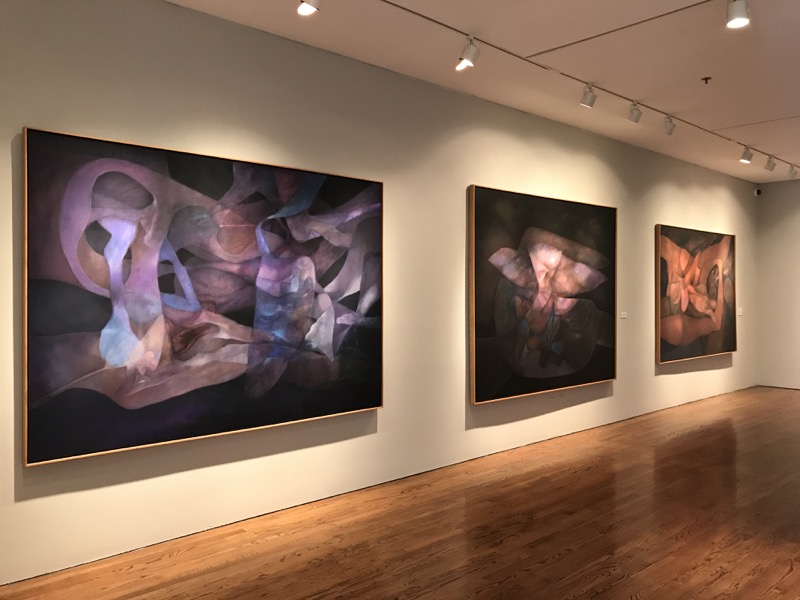
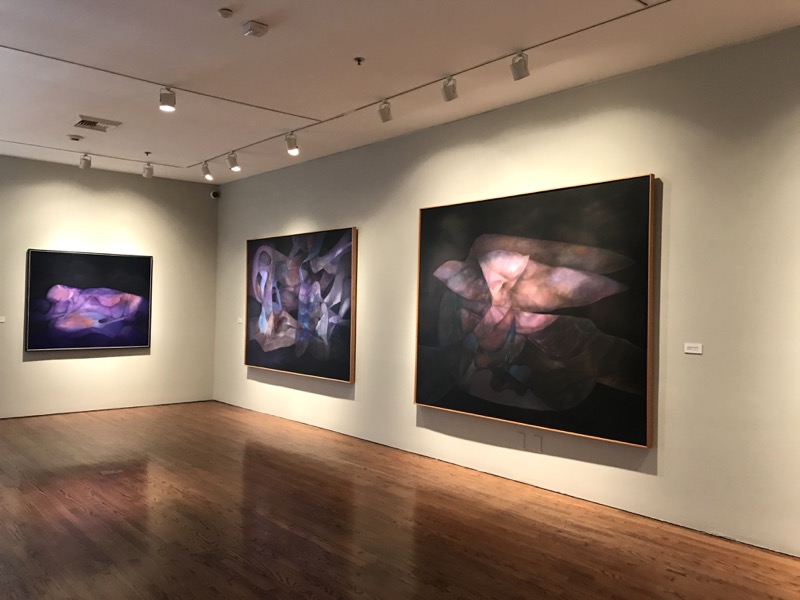
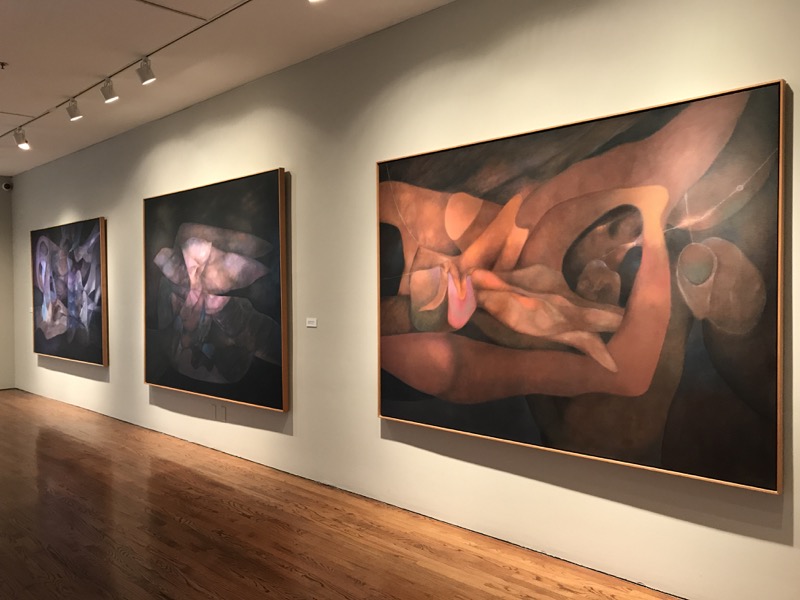
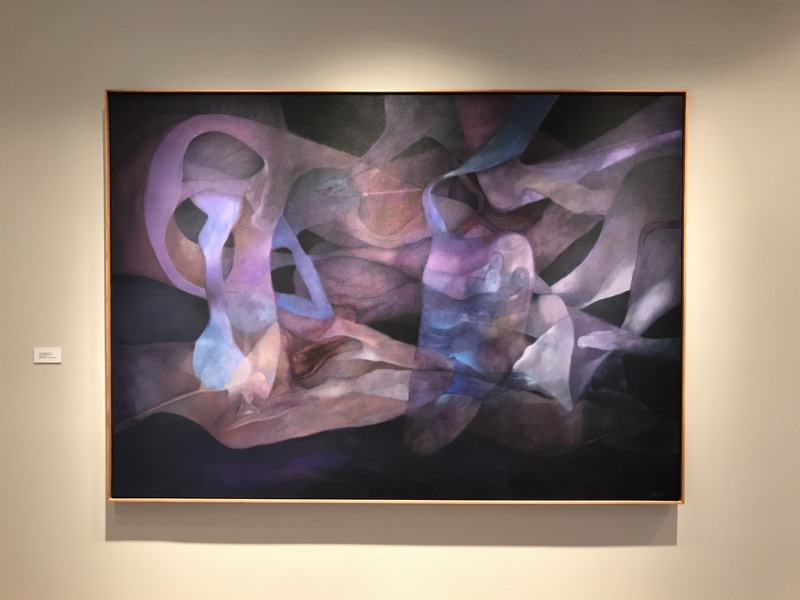
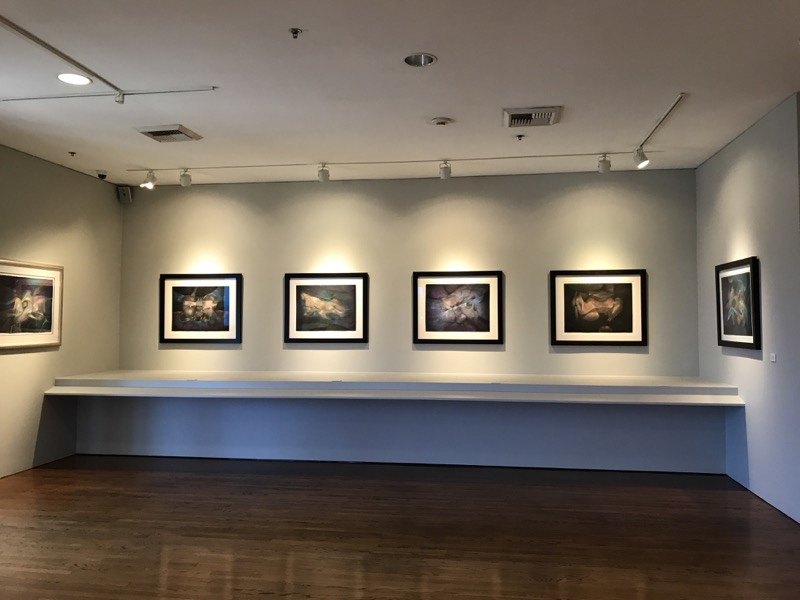
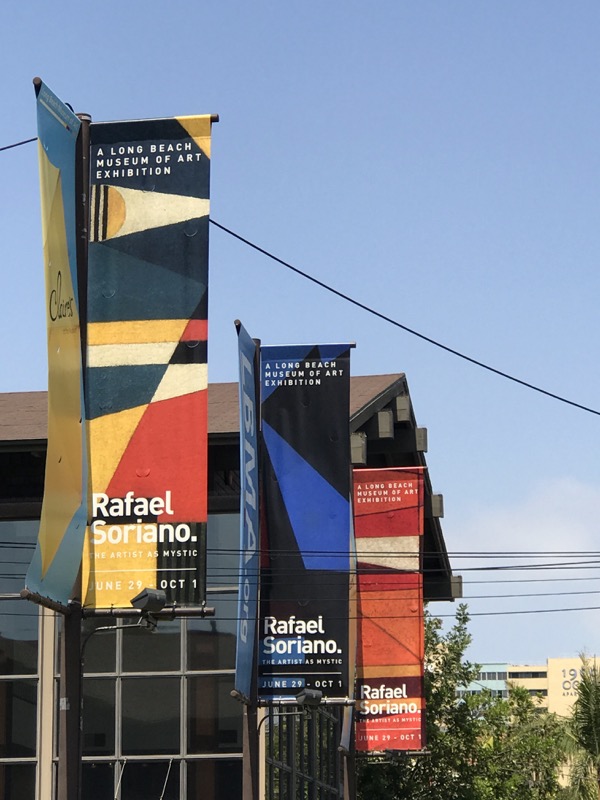
Originally curated by Elizabeth Thompson Goizueta for the McMullen Museum of Art Boston College for its January 2017 exhibition of Soriano’s work in collaboration with the Rafael Soriano Foundation, the retrospective Rafael Soriano: The Artist as Mystic at LBMA shows works from his early, more geometric abstractions painted in Cuba to his later, more biomorphic shapes created in Florida following his exile.
Morris, Asia. “Rafael Soriano: Story of an Acclaimed Abstractionist, Cuban Exile, Universal Painter.” The Long Beach Post, Arts & Culture, Long Beach, CA September 15, 2017.
Organized by the McMullen Museum in conjunction with the Rafael Soriano Foundation, the exhibition has been curated by Elizabeth Thompson Goizueta and traveled to Long Beach Museum of Art and the Patricia & Phillip Frost Art Museum.






RAFAEL SORIANO
(1920–2015)
Rafael Soriano was born in 1920 in Cidra, in the province of Matanzas, Cuba, and demonstrated an early affinity for painting. After seven years of study at Havana’s prestigious Escuela Nacional de Bellas Artes San Alejandro, he graduated in 1941 as Professor of Painting, Drawing, and Sculpture. He then returned to Matanzas, where he taught visual arts for nearly two decades. Soriano was a founder—and later director—of the Escuela de Bellas Artes de Matanzas, the most important art school in Cuba outside Havana. During this period, he exhibited with Los Diez Pintores Concretos, a group associated with the development of geometric abstraction in Cuba and its dialogue with movements in Europe and the Americas.
In 1962, Soriano went into exile and settled in Miami with his wife, Milagros, and their daughter, Hortensia. He worked as a graphic designer and taught on occasion, first at the Catholic Welfare Bureau and later through the University of Miami’s Cuban Cultural Program. Throughout these years, he continued to paint tirelessly in the evenings.
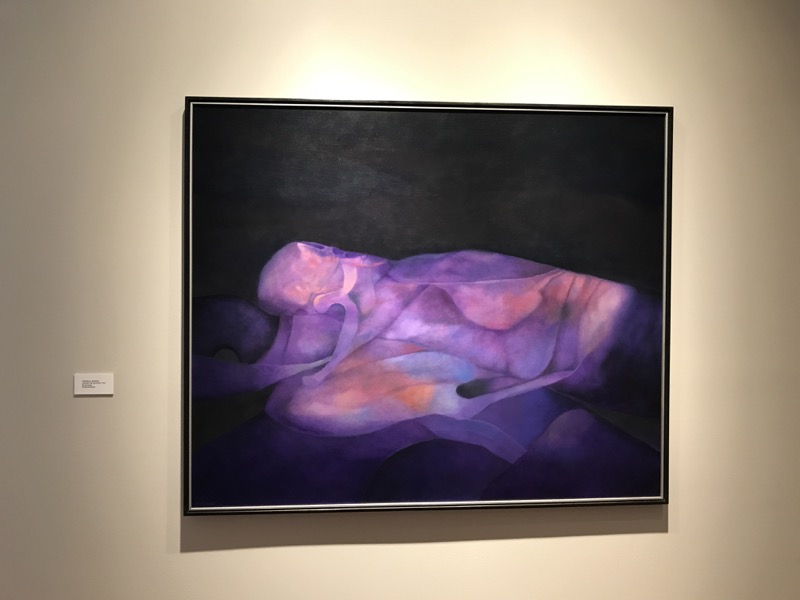
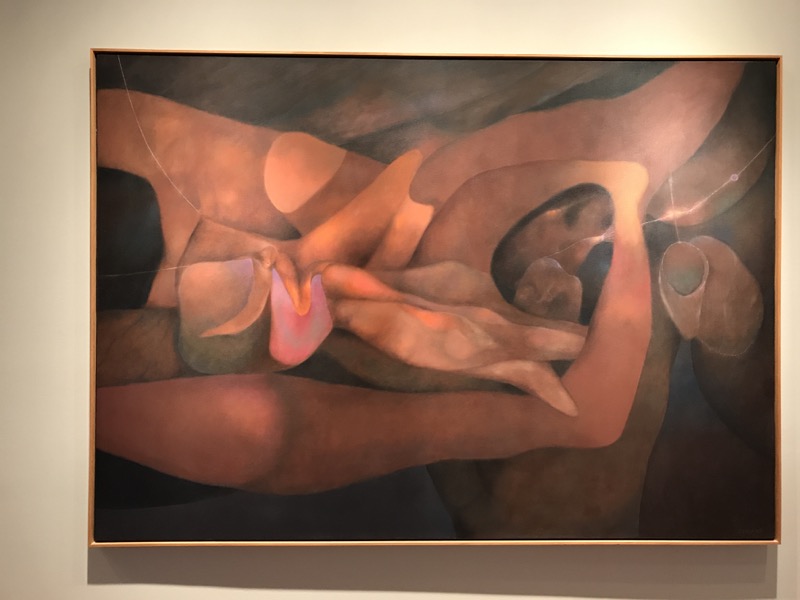
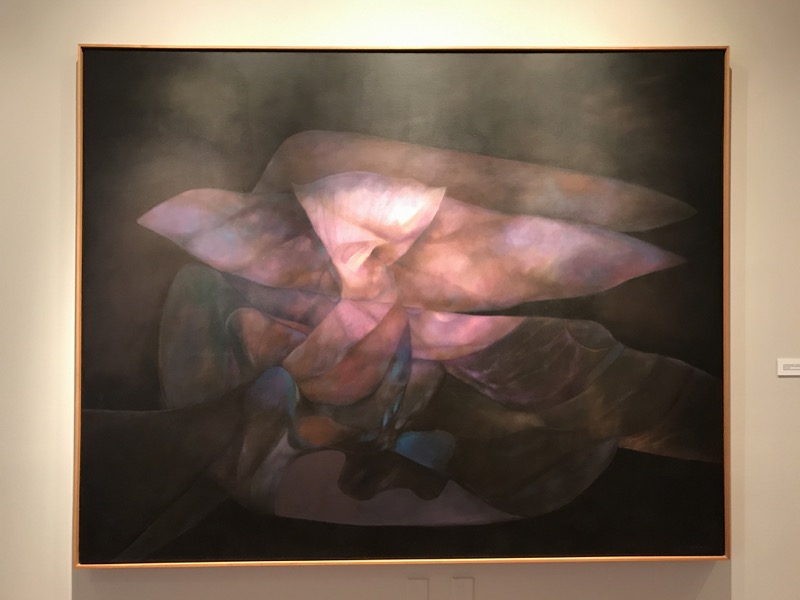
Soriano distinguished himself from the vernacular themes that had dominated much of Cuban art since the emergence of the first avant-garde in the mid-1920s. During the 1950s, his work followed the path of geometric abstraction. By the late 1960s, however, his painting underwent a radical transformation. Geometric structures gave way to luminous, enigmatic forms shaped by emotion, meditation, and mystical introspection.
Through a singular treatment of light and color—and through the use of transparency, spatial ambiguity, and biomorphic form—Soriano entered a new aesthetic dimension, freeing his work from earlier attachments to specific schools or tendencies. His highly refined technique established him as a master of luminosity, pictorial metaphor, and the metaphysical language of form. In his complex images, light functions as both form and content. This unity of vision and representation constitutes Soriano’s distinctive contribution to contemporary visual discourse and has led scholars to recognize the universal significance of his work.
Since his first solo exhibition in 1947 at Havana’s Lyceum and Lawn Tennis Club, Soriano’s work has been presented in numerous solo exhibitions and more than 200 group exhibitions throughout the United States, Latin America, and Europe. His work is held in many private and public collections, including the Art Museum of the Americas, Organization of American States, Washington, DC; the Blanton Museum of Art, Austin, Texas; Bacardi Imports, Miami, Florida; Banco Bozano-Simonsen, Rio de Janeiro, Brazil; Continental Bank, Miami, Florida; the CIFO Collection, Cisneros Fontanals Art Foundation, Miami, Florida; the Denver Art Museum, Colorado; Galería de Arte Moderno, Santo Domingo, Dominican Republic; Grupo DEARMAS, Caracas, Venezuela; the Jane Voorhees Zimmerli Art Museum at Rutgers University, New Brunswick, New Jersey; the Long Beach Museum of Art, Long Beach, California; the Lowe Art Museum, Coral Gables, Florida; the McMullen Museum of Art at Boston College, Boston, Massachusetts; the Museo de Arte de Matanzas, Cuba; Museo de Arte de Zea, Medellín, Colombia; the Museo Nacional de Bellas Artes, Havana, Cuba; NationsBank Corporation, Charlotte, North Carolina; NSU Art Museum Fort Lauderdale, Florida; the Patricia & Phillip Frost Art Museum, Miami, Florida; the National Gallery of Art, Washington, DC; the Whitney Museum of American Art, New York, New York; Pérez Art Museum Miami, Florida; and the Smithsonian American Art Museum, Washington, DC.